0W-20, 0W-16 and 0W-8: why oils got thinner and when to use them
2026-11-21
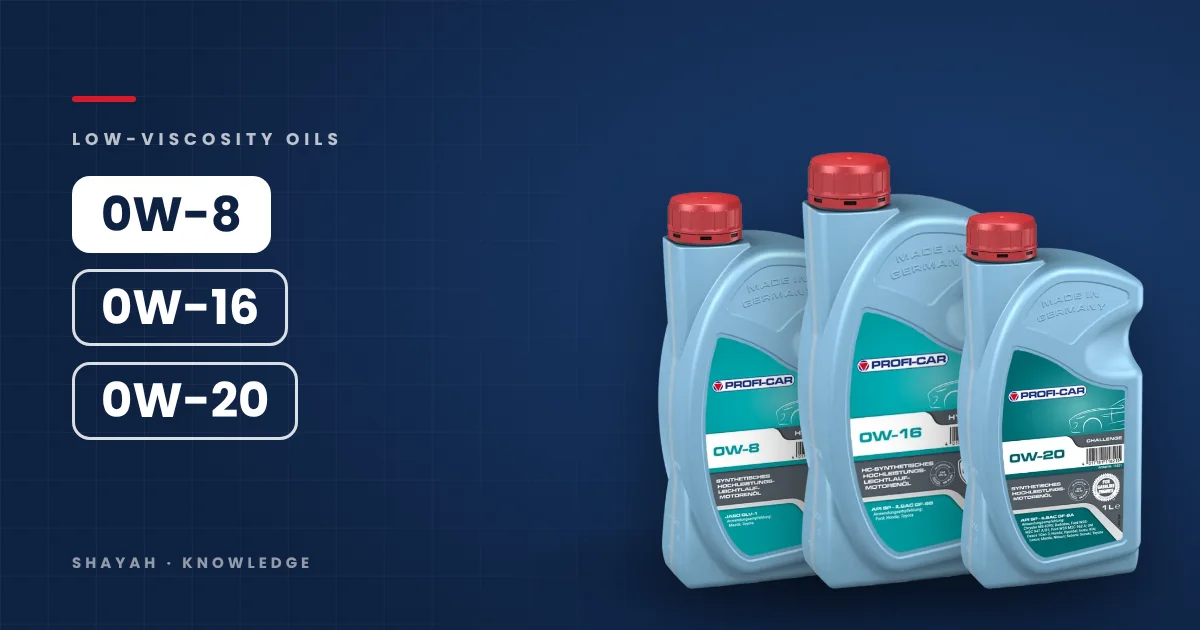
Years ago, 20W-50 was everywhere. Today many new cars leave the factory with 0W-20, and some hybrids with 0W-16 or even 0W-8. What changed?
Why oils got thinner
Thinner oil resists moving parts less, so less energy is lost to internal friction.
Thin oil reaches the top of the engine and the turbo quickly on a cold start — when most wear happens.
Tighter clearances, narrower oil passages and variable valve timing systems that need a specific viscosity.
The engine starts and stops constantly and often runs cooler, so it needs oil that flows quickly when cold.
What the numbers mean
SAE J300 has added grades thinner than 20 — first 16, then 12 and 8. The 0W part means the best possible cold performance; the second number is the viscosity at operating temperature, and the smaller it is, the thinner the oil.
| Viscosity | Typical use |
|---|---|
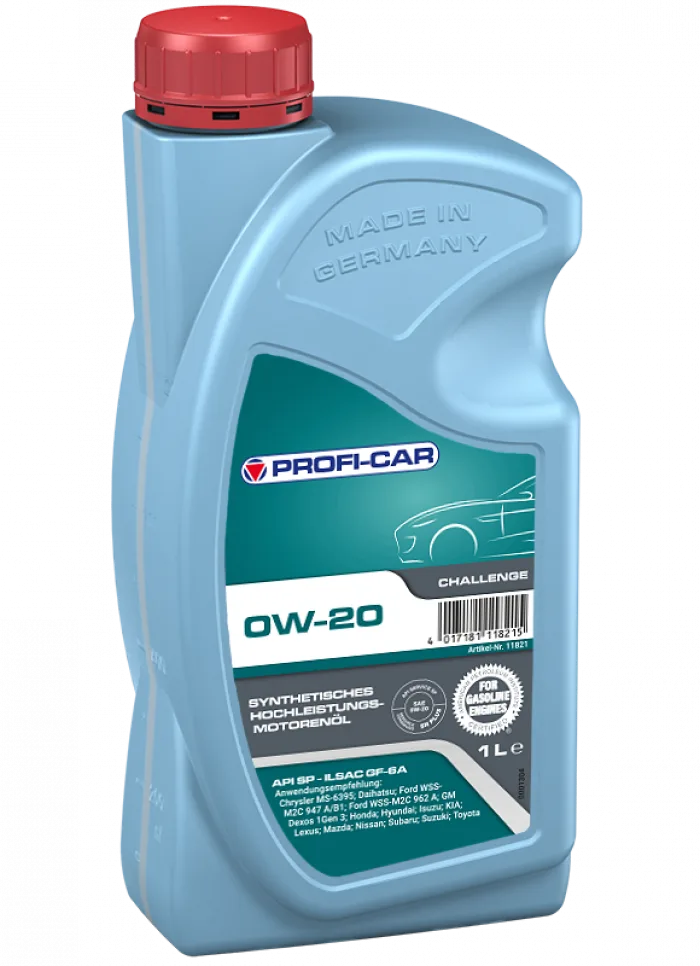
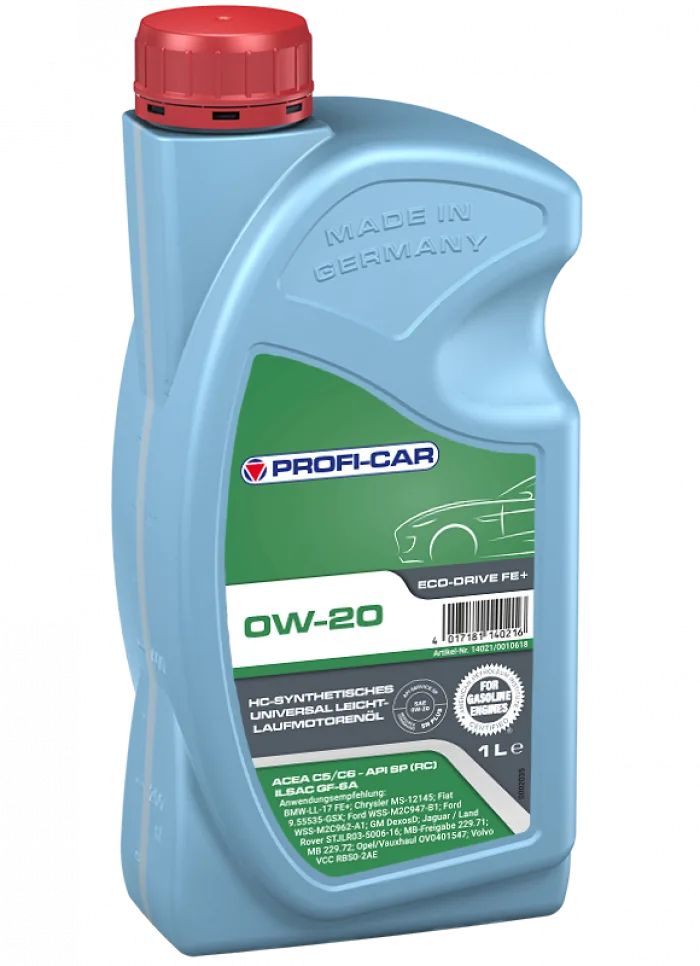
| 0W-20 | Many modern Japanese, Korean and American cars |
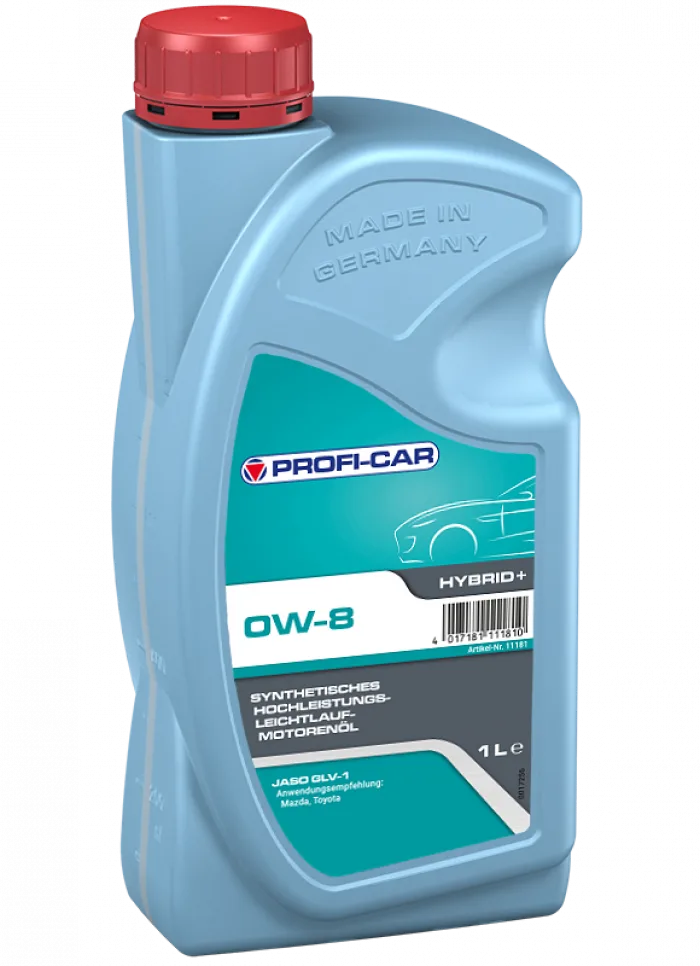
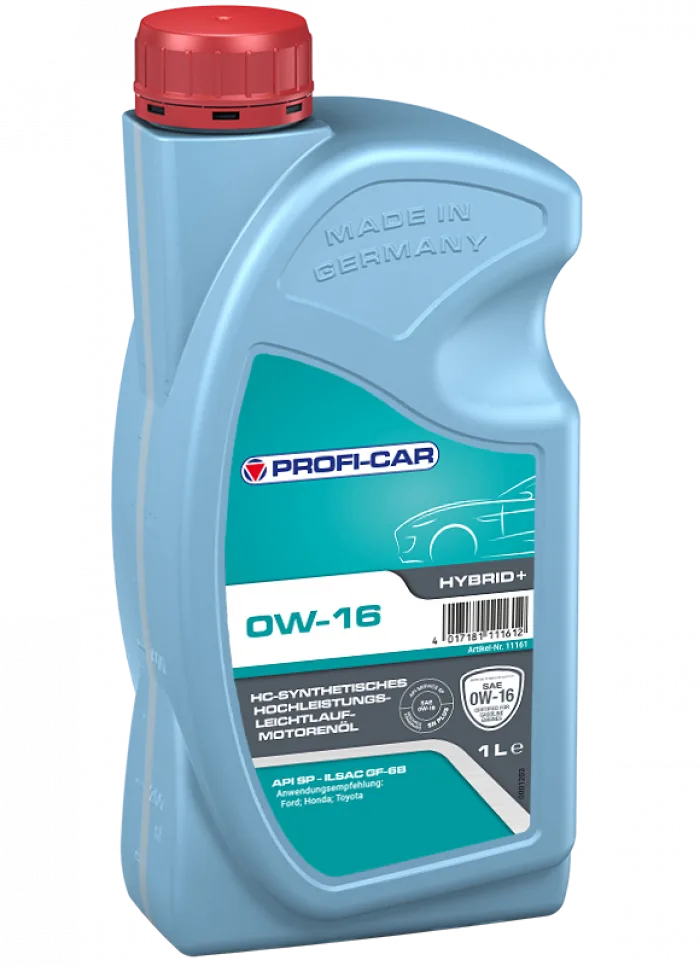
| 0W-16 | Modern cars and hybrids where specified (e.g. some Toyota models) |
| 0W-8 | Very recent hybrid engines designed specifically for it |
The opposite is wrong too
A common mistake is using a thicker oil than specified (10W-40 instead of 0W-20) “because it’s hot” or “to be safe”. In modern engines this can mean:
- Slower oil delivery at start-up and more wear.
- Variable valve timing faults and warning messages.
- Higher fuel consumption.
Modern thin oils are designed to protect in high heat too — provided they carry the right specification (e.g. API SP, ILSAC GF-6 or the OEM approval).
What makes hybrid oils different
In hybrids the engine stops and starts many times and may stay relatively cool, so more moisture and fuel collect in the oil. Hybrid oils are designed for frequent start-stop and cold running while keeping fuel economy.
How to choose
- Find the viscosity in your owner’s manual or on the oil filler cap.
- Confirm the required specification or approval.
- Don’t change the viscosity on a hunch — ask a specialist.